Get a Project Quote
Ready to start? Provide your project details, and our team will deliver a comprehensive quote.

We build safety and OSHA compliance into the very fabric of your warehouse, from traffic flow and rack integrity to ergonomic workstations.

In a busy warehouse, safety is not a checklist item to be addressed after the fact; it is a fundamental component of an efficient and sustainable operation. Too often, safety measures are reactive—guardrails added after a near-miss, or procedures updated after an incident. This approach is costly, disruptive, and leaves your team vulnerable. A truly safe warehouse is one where safety is not an addition but the foundation. It is engineered into the very layout of the facility before the first rack is installed or the first box is picked.
OSHA-compliant warehouse design is a proactive methodology that integrates safety principles into every aspect of your floorplan. It moves beyond simply meeting minimum standards and instead focuses on designing a space that inherently minimizes risk. This involves a strategic approach to traffic management, the structural integrity of storage systems, and the ergonomic design of workspaces. It’s about creating an environment where the safest path is also the most efficient one.
By building compliance into the blueprint, you create a culture of safety that is reinforced by the physical environment itself. This not only protects your employees but also enhances productivity, reduces downtime, and safeguards your business from the significant financial and reputational costs of workplace accidents.
Ready to start? Provide your project details, and our team will deliver a comprehensive quote.
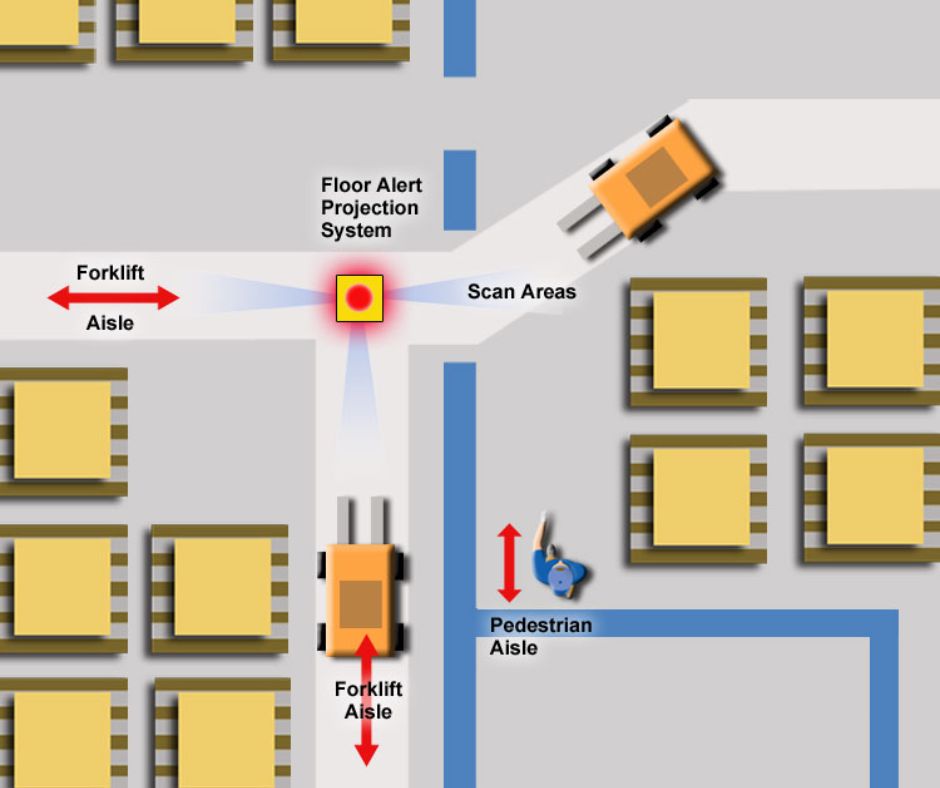
The most dynamic—and often most hazardous—areas of a warehouse are the pathways where people and heavy machinery intersect. According to OSHA, forklift-related incidents are a leading cause of serious injury in warehouses. A proactive design addresses this head-on by creating a clear, logical, and segregated traffic management plan. The goal is to design a system that makes collisions and accidents as difficult as possible.
This begins with creating distinct, clearly marked pathways for pedestrians and forklifts. Where possible, pedestrian walkways should be physically separated from forklift aisles using guardrails or barriers. In areas where paths must cross, intersections should be designed for maximum visibility with mirrors, sensors, and clear signage. A core part of an intelligent warehouse design is analyzing the flow of goods and people to eliminate unnecessary cross-traffic and blind corners, following a step-by-step guide to designing an efficient warehouse layout.
Furthermore, aisle width is a critical safety factor. Aisles must be wide enough to accommodate the turning radius of your specific lift trucks while providing safe clearance on both sides. Proper space allocation is a key element of warehouse optimization that prevents equipment collisions with racking, which is a common cause of rack failure. By engineering traffic flow from the start, you create an intuitive and orderly environment that significantly reduces the risk of accidents.

Have questions? Schedule a no-obligation consultation with a modular construction expert.

Your storage racks are the structural backbone of your warehouse, and their integrity is non-negotiable. A rack collapse is a catastrophic event that can have devastating consequences. OSHA compliance requires that all racking systems be designed, installed, and maintained to handle their intended loads safely. This goes beyond simply buying shelves; it involves a comprehensive approach to structural safety.
The process starts with selecting the right pallet rack for your specific product and load requirements. Each system must have clearly posted load capacity ratings, and all employees must be trained to understand and respect these limits. Regular inspections are mandatory to identify and address any damage, such as bent uprights or missing safety clips, before it leads to failure. Following essential pallet rack safety guidelines is a fundamental responsibility.
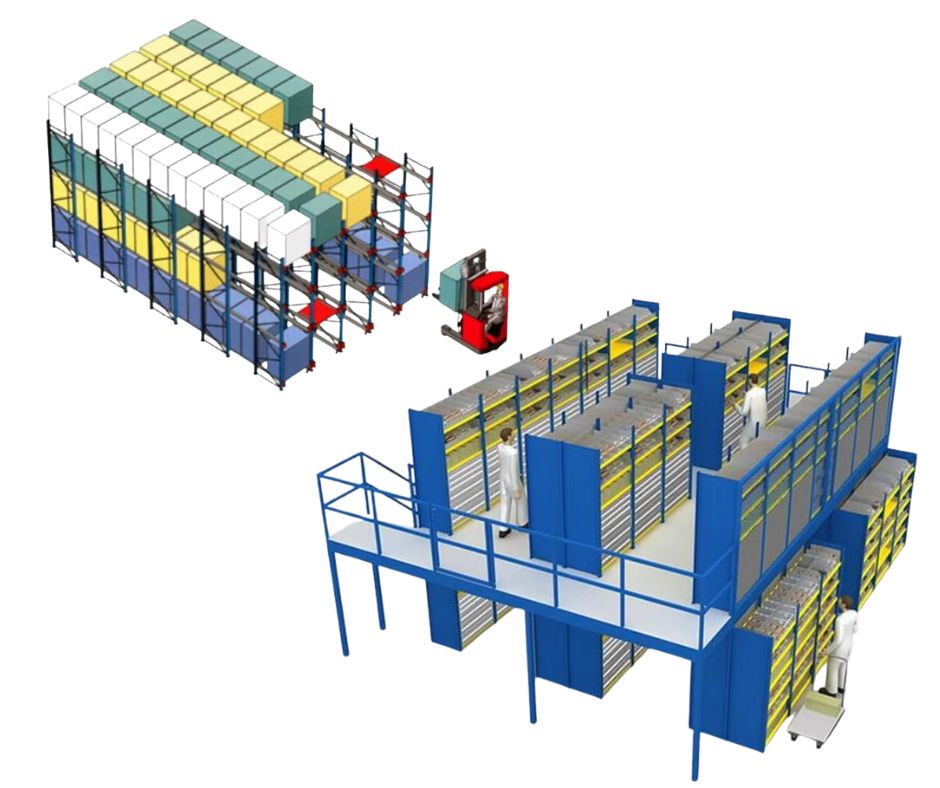
Proactive protection is also a key component. Installing warehouse rack protectors at the base of uprights provides a critical defense against forklift impacts. For palletized goods stored at height, warehouse netting solutions prevent items from falling into aisles or workspaces. A commitment to keeping your warehouse racking safe is a cornerstone of a compliant and secure operation, making it a vital tool for warehouse organization and safety.
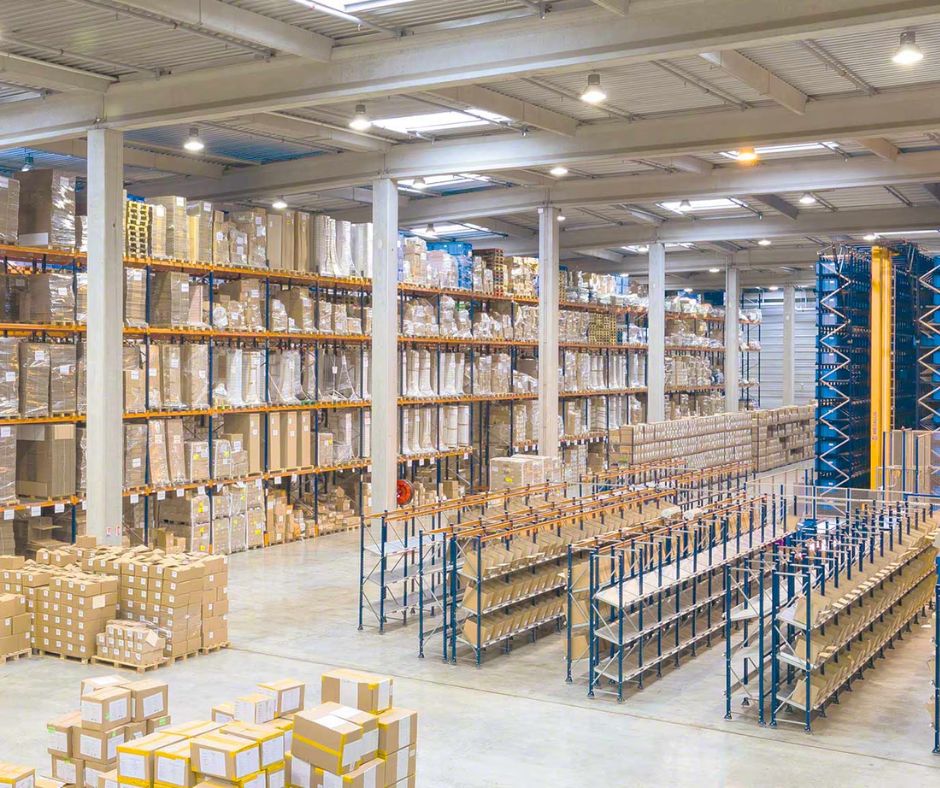
Whether you need to outfit a new facility or upgrade your existing storage, we can provide a competitive quote for high-quality racking and shelving solutions.
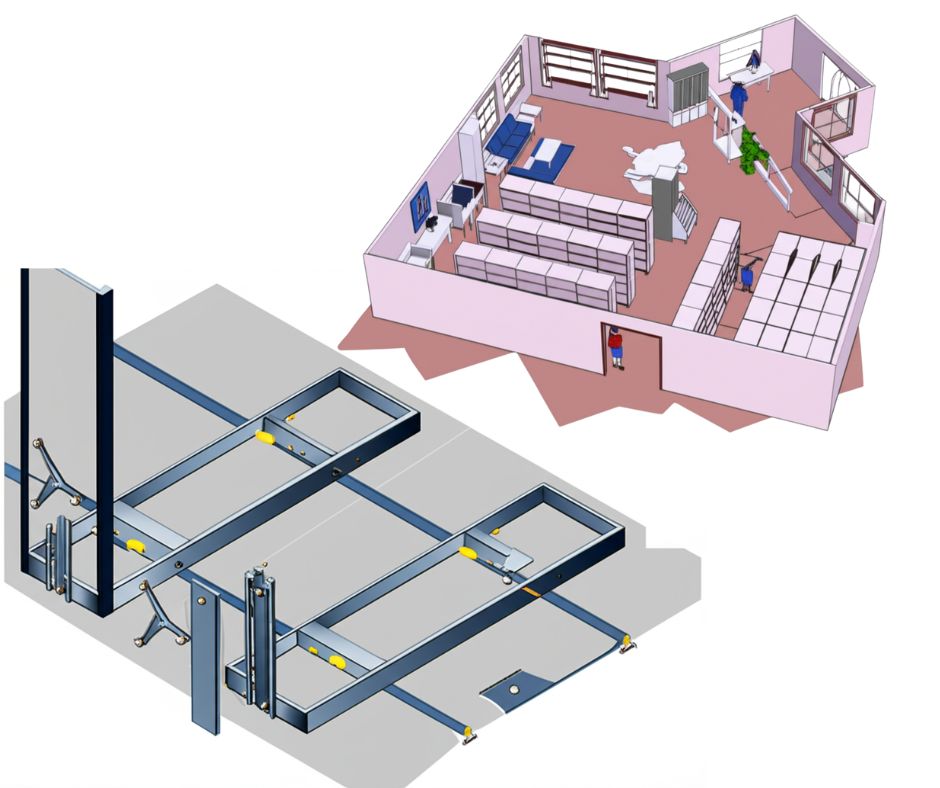
A safe warehouse is not just about preventing major accidents; it’s also about protecting the long-term health of your employees. Musculoskeletal disorders from repetitive lifting, bending, and reaching are among the most common warehouse injuries. An ergonomic design focuses on fitting the workspace to the worker, not the other way around, to reduce physical strain.
This involves designing packing and picking stations at appropriate heights, using mechanical assists like lifts and conveyors for heavy items, and ensuring adequate lighting to reduce eye strain and prevent trips and falls. The layout should also minimize the distances employees have to walk to complete tasks. These design considerations directly help to improve warehouse safety and productivity. Even the choice of warehouse shelving and racks can impact ergonomics by making items easier and safer to access.
Environmental safety is equally important. A compliant design includes robust warehouse fire safety measures, such as ensuring proper flue space between pallets for sprinkler effectiveness and maintaining clear, unobstructed egress routes. Proper ventilation, clear signage for hazards, and designated areas for charging forklift batteries are all integral parts of a full warehouse design solution that prioritizes the well-being of your team.
Stay informed on the latest OSHA updates, safety best practices, and design trends with insights delivered directly to your inbox.
Investing in an OSHA-compliant warehouse design from the outset is one of the smartest financial decisions you can make. It builds a resilient operation with tangible benefits.
A layout that engineers away common hazards directly lowers the frequency of accidents and injuries, keeping your skilled workforce on the job.
Fewer claims and a demonstrated commitment to safety can lead to significantly lower workers' compensation insurance premiums.
A safe and ergonomic workplace shows employees that you value their well-being, which boosts morale, engagement, and retention.
Safe workflows are predictable and efficient. Clear pathways, organized storage, and ergonomic stations reduce errors and speed up processes.
A proactive approach to safety protects you from costly OSHA fines and litigation, safeguarding your company's reputation as a responsible employer. This makes your investment worthy for the long term.
Yes. While designing for safety from the start is ideal, our warehouse design and layout services include auditing and retrofitting existing facilities to improve safety and ensure compliance.
Inadequate separation of pedestrian and forklift traffic is one of the most frequent and dangerous design flaws we encounter. Establishing clear, protected pathways is a top priority.
When implemented correctly, automation, such as ASRS, can significantly improve safety by taking over repetitive and physically demanding tasks, reducing ergonomic risks and human error.
Yes. We design specialized storage and handling areas that comply with all regulations for hazardous materials, including proper ventilation, spill containment, and fire suppression systems.
Our team of safety and design experts is continuously trained on the latest local, state, and federal regulations to ensure every design we produce is fully compliant.