Ready to Secure Your Shipping?
Find the perfect boxes for your products today. Our team is ready to help you with custom sizes and bulk orders.

Home | Shipping Supplies | Wholesale Shipping Supplies Buying Guide
Compare products, learn cost-saving strategies, and choose the right bulk solutions for your business.
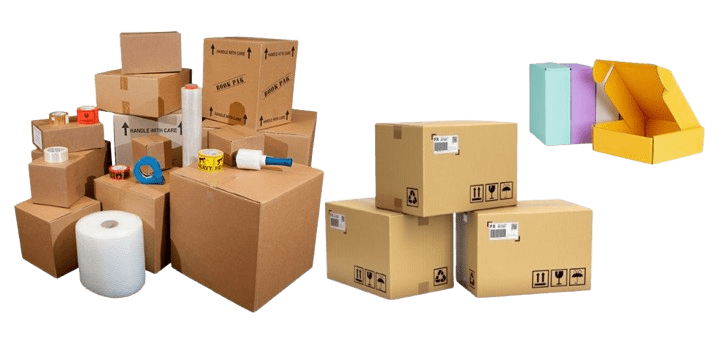
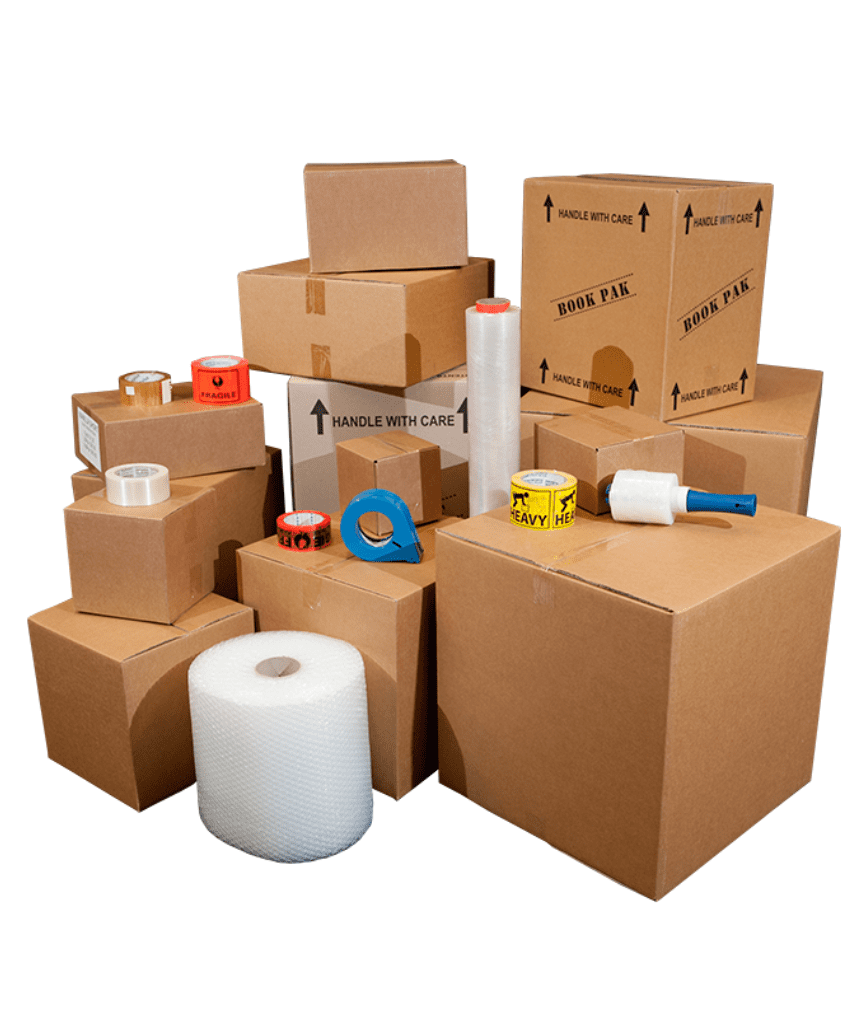
Choosing the right shipping supplies is about more than just finding a box that fits. It is a series of strategic decisions that impact your product safety, your operational efficiency, and your bottom line. For any business, understanding the nuances between different types of boxes, tapes, and cushioning is essential for growth. This guide is designed to be your central resource for making those decisions with confidence. We will break down the difference between packaging and shipping supplies, explain key industry terms, and provide clear comparisons. Our goal is to empower you with the knowledge to build a cost-effective and reliable shipping operation through a smart sourcing strategy.
Find the perfect boxes for your products today. Our team is ready to help you with custom sizes and bulk orders.
A side-by-side look at the most essential shipping supplies.
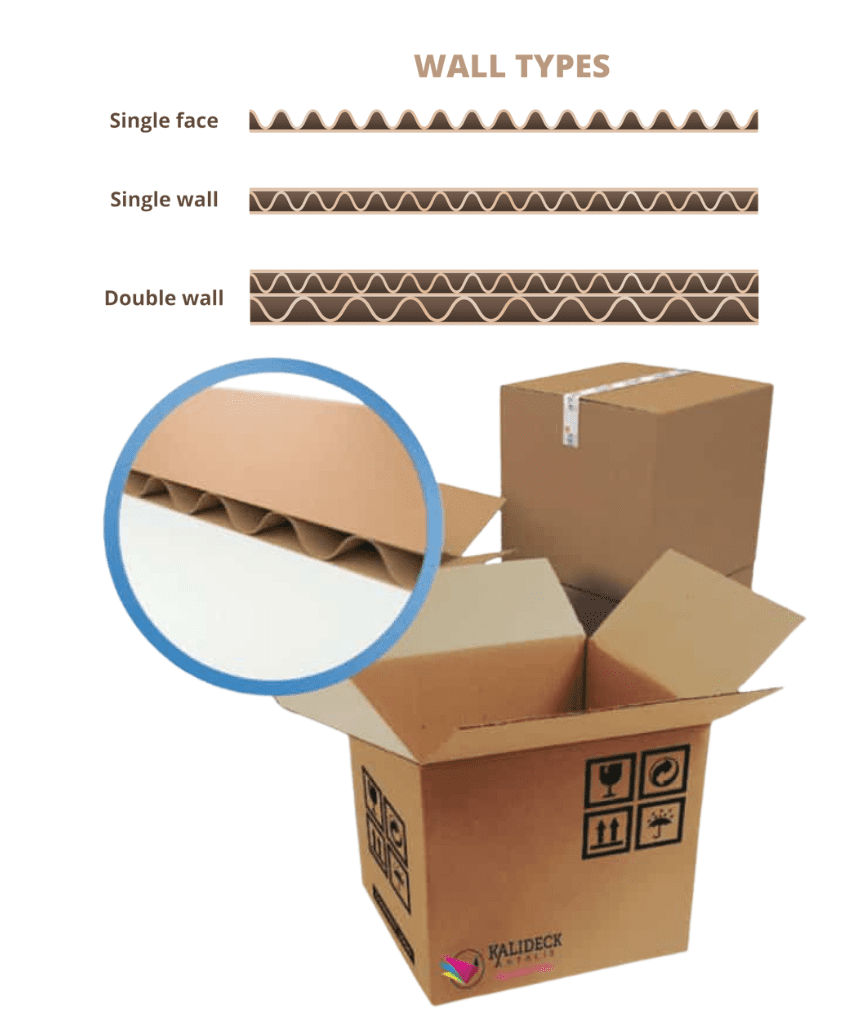
The corrugated box is the cornerstone of shipping, but not all boxes are created equal. The most important distinction is between single wall and double wall construction.
Single Wall Boxes: These are the industry standard for most e-commerce shipments. Made with one layer of fluting (the wavy part) between two linerboards, they offer a great balance of protection and affordability. They are ideal for lightweight to medium-weight items that are not overly fragile. Look for the ECT (Edge Crush Test) rating; a 32 ECT is standard and indicates good stacking strength.
Double Wall Boxes: For heavy, bulky, or fragile items, double wall boxes are necessary. They feature two layers of fluting, making them significantly stronger and more resistant to crushing and punctures. With a higher ECT rating (typically 44+), they are essential for items that will be stacked high on pallets or that require maximum protection. While they cost more than single wall boxes, that cost is minimal compared to replacing a damaged product.
Cushioning protects items inside the box. The three main types serve different purposes.
Bubble Wrap: The all-purpose champion for shock absorption. Its air-filled bubbles protect against impact. Use small bubbles for wrapping individual items and protecting surfaces, and large bubbles for filling empty space (void fill) in a box.
Foam Rolls: The specialist for surface protection. Foam is soft and non-abrasive, making it perfect for items with delicate finishes like furniture, glass, or electronics. It prevents scratches where bubble wrap might leave marks.
Air Pillows: The master of void fill. These are inflatable cushions that are lightweight and created on-demand, saving warehouse space. Use them to fill empty gaps in boxes to prevent items from shifting during transit. They are not ideal for wrapping but are the most efficient way to brace products. Choosing the right one is key to an effective picking and packing solution.

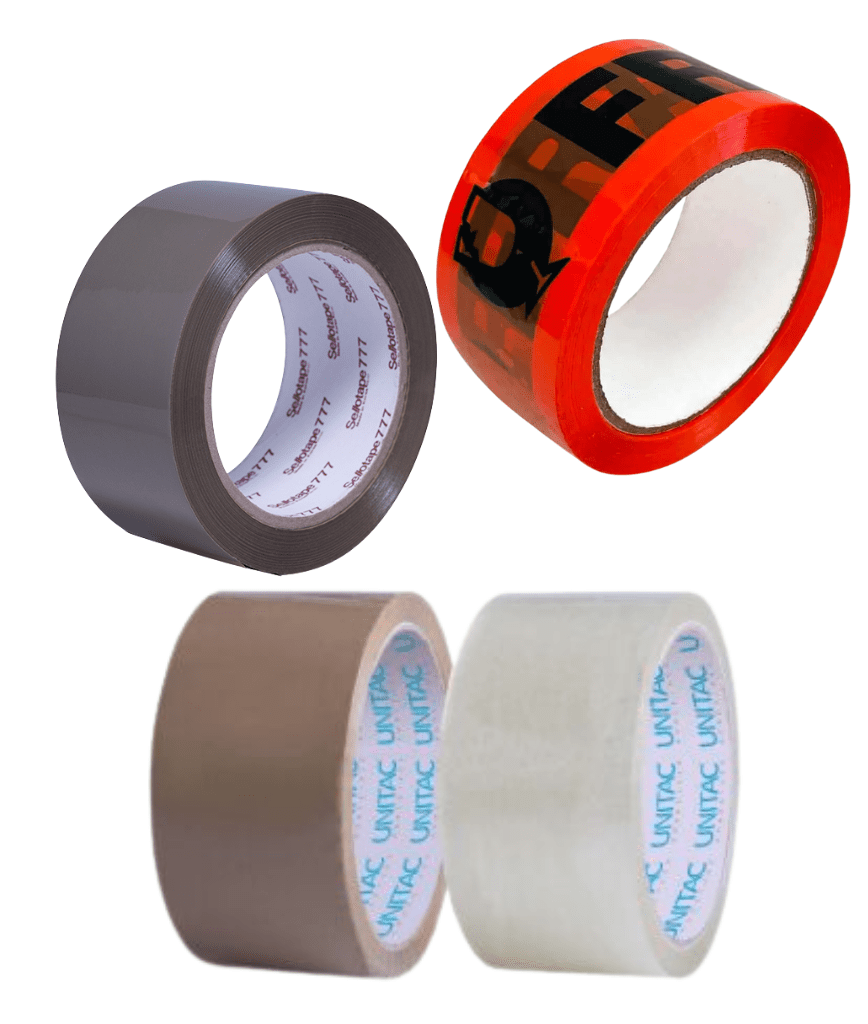
The tape you use determines how securely your box stays sealed. The adhesive is the most important factor.
Acrylic Tape: This is an excellent all-around tape known for its longevity and resistance to temperature changes and UV light. It is a great choice for boxes that will be in long-term storage or shipped to areas with extreme temperatures. It applies smoothly and quietly.
Hot Melt Tape: This tape has a more aggressive and instant adhesion. It bonds quickly and strongly to corrugated surfaces, making it ideal for high-volume, fast-paced packing lines, especially with recycled cardboard. While its long-term resistance is not as high as acrylic, its initial tack is superior. Both are among the most frequently purchased shipping supplies for a reason, but choosing the right one depends on your specific application.
Need a specific size or a large volume order? Contact us for a personalized quote.
How this knowledge translates to business success.
Buying the right supplies in bulk is the single most effective way to lower your cost-per-shipment and improve your profit margins.
Using the correct box strength and cushioning type directly reduces returns and replacements, saving you money and protecting your reputation.
Having a consistent stock of the right supplies prevents downtime and helps your packing team work faster and more effectively.
When packages arrive safely and professionally packed, it builds customer trust and reinforces their confidence in your brand.
For a new business, we recommend starting with the basics: a few sizes of single-wall corrugated boxes (e.g., 6x6x6, 8x6x4, 10x8x6), a case of 2.0 mil acrylic packaging tape with a dispenser, a small roll of 3/16″ bubble wrap for cushioning, and a thermal label printer with 4×6 labels. This covers a wide range of products and is a great starting point.
The best way to save is to keep your packages as small and light as possible. Use a box that is just large enough for your product and a minimal amount of cushioning. For non-fragile items like clothing, switch from boxes to lightweight poly mailers. Finally, buying your shipping supplies in wholesale quantities dramatically lowers your material costs.
DIM weight is a pricing technique used by shipping carriers. They calculate a theoretical weight based on a package’s length, width, and height. The carrier will then charge you for whichever is greater: the actual weight of the package or its DIM weight. This is why using the smallest box possible is critical for controlling shipping costs, as it minimizes the DIM weight.