
Workplace Charging for Electric Vehicles
Workplace charging gives employees an opportunity to charge an electric vehicle while they are onsite. A useful program needs more than charging equipment: parking arrangements, electrical capacity, access rules and support all matter. Material Handling USA can help organize the project discussion and equipment requirements for review with your facilities team.

Understand employee demand and parking time

Start by identifying who the program is intended to serve. Employees who park for a full shift have different needs from visitors making short appointments or vehicles assigned to operational work. Define the user groups before choosing equipment or promising access.
A short employee survey can establish current interest and likely use. Ask about arrival and departure times, days onsite and whether workplace charging would be occasional or routine. Keep future interest separate from existing demand so the first installation is not based entirely on speculation.
- Identify the intended users and their parking times.
- Record the periods when demand may overlap.
- Separate employee, visitor and fleet requirements.
- Choose a way to review demand after launch.
Do not assume every participating vehicle needs a full recharge during each visit. Discuss the intended service with the project team and make it clear to users. A program designed as a convenient supplement differs from one intended to support a defined operational duty.
Set a useful first-stage objective
State what the initial program should accomplish and what would justify expansion. That may include serving a defined employee group or learning how a small installation is used. Avoid treating a national sales forecast as proof of demand at your particular site.
The U.S. Department of Energy’s workplace charging resources provide a starting point for employer planning and stakeholder coordination.
Choose equipment around the intended use

Charging equipment should be selected as part of the site and program review. Level 1, Level 2 and DC fast charging differ in their operating characteristics and installation considerations. DOE identifies Level 2 as a common workplace approach; that does not make it the automatic choice for every location.
Ask the equipment provider and electrical professionals to compare options against vehicle compatibility, parking duration and the proposed service. Confirm connectors and any requirements that affect the intended vehicles. Do not assume a product photograph establishes compatibility.
Compare the complete equipment package
Record the number of charging ports, mounting arrangement, included accessories and available management functions. Distinguish the physical unit from software services, communication subscriptions and installation work that may be quoted separately.
- Confirm vehicle and connector requirements.
- Identify the proposed number of usable ports.
- Compare mounting and cable-storage arrangements.
- List software and support inclusions separately.
A higher advertised power level does not, by itself, establish the energy delivered to every vehicle during every session. The complete system and operating conditions matter. Ask the responsible professionals to explain the assumptions behind the proposal rather than publishing a universal charging-time claim.
The existing equipment images on this page illustrate charging formats. They are not a guarantee that a particular model, network feature or accessory is included. Use an itemized specification for purchasing decisions.
Review parking, electrical capacity and installation scope

Bring facilities staff, the property owner where applicable, the utility and qualified electrical professionals into the discussion early. They can identify the site information and approvals needed to assess the proposed installation. A convenient parking bay may not be the simplest location to serve.
Provide a parking layout with building entrances, vehicle routes and existing fixed equipment. Include the intended charging positions and areas that must remain accessible. The project team should review equipment placement, cable management and the relationship to pedestrian movement.
Define who performs each part of the work
The scope may include equipment, electrical design, installation, civil work, communications and commissioning. Identify responsibilities rather than assuming that an equipment quote includes all of them. Leased sites also need a clear understanding with the property owner.
| Scope area | Question to resolve |
|---|---|
| Equipment | Which units, ports and accessories are included? |
| Site work | What changes to the parking area are required? |
| Electrical review | Who evaluates supply and installation requirements? |
| Commissioning | Who confirms the installed system is ready for use? |
Plan for inspection, maintenance and ordinary site operations such as cleaning or snow removal where relevant. These activities should remain workable after installation.
Final electrical, accessibility and other applicable requirements need project-specific professional review. A general planning article or conceptual illustration is not a substitute for that design work.
Write clear access and charging policies

Decide who may use the equipment, when access is available and what happens when demand exceeds available ports. A clear policy helps employees understand the service before they arrive expecting a reserved space.
Possible program choices include employee-only access, defined visitor access or separate arrangements for operational vehicles. Confirm that the selected equipment and management system can support the intended rules. Not every charging unit includes the same network functions.
Make shared use practical
Explain whether vehicles should move after charging, how users learn a space is available and who handles questions. If a waitlist or notification function is proposed, verify it in the actual service package. Do not promise an app feature based on another provider’s product.
- Define eligible users and operating hours.
- Explain any time limits or sharing expectations.
- State how pricing is communicated, if applicable.
- Provide a clear route for support and problem reports.
Include human resources, facilities and any other responsible teams in the policy review. They may have different responsibilities for employee communication, parking and administration.
Keep the launch instructions short and usable. A concise guide showing how to begin a session, finish it and report a problem can be more useful than a long promotional description. Test the instructions against the actual installed system before distributing them.
Compare costs using consistent assumptions
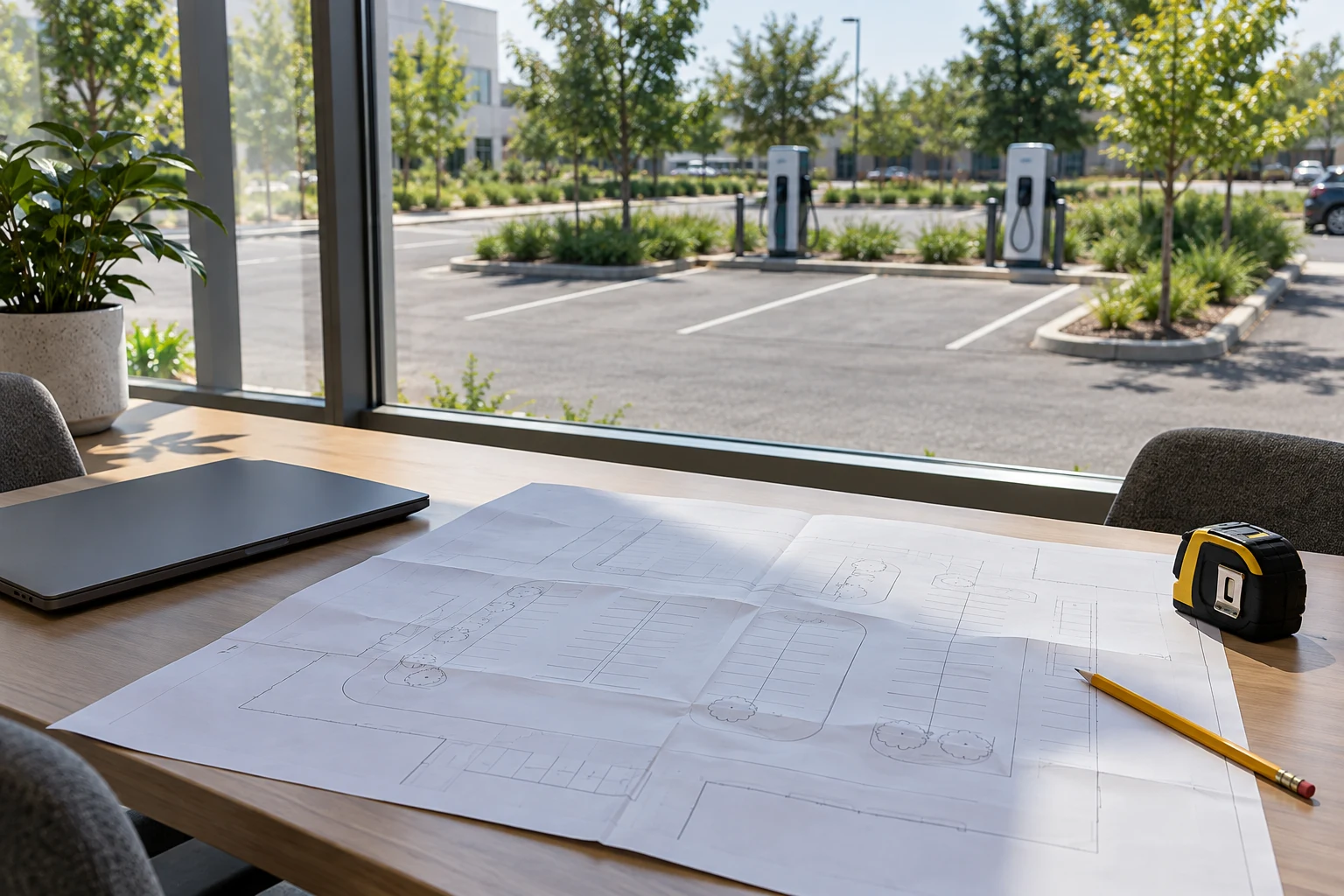
Separate the initial project scope from ongoing operation. Equipment purchase, site work and installation are different from electricity, network services, maintenance and administration. A useful comparison shows which costs are included and which remain estimates.
Ask each proposal to use the same intended number of ports and service requirements. A low equipment price may exclude functions or work that another proposal includes. Request a written list of assumptions and exclusions.
Model a realistic operating scenario
Use the expected user group, parking pattern and proposed policy to discuss likely operation with the responsible team. If usage or utility costs are uncertain, show that uncertainty rather than presenting a single guaranteed savings or payback figure.
- Distinguish equipment from installation costs.
- Identify recurring service and support charges.
- Clarify who administers the program.
- Review costs again when the scope changes.
Any incentives or funding opportunities should be verified for the current project and jurisdiction before they are included in a decision. Eligibility, timing and application requirements can change. This page does not promise a rebate or tax benefit.
Decide how the organization will evaluate the program after launch. Employee convenience, availability and reliable operation may matter alongside direct cost. Use measures that reflect the stated objective, and avoid claiming recruitment or sustainability results that have not been established.
Plan support, maintenance and reporting before launch
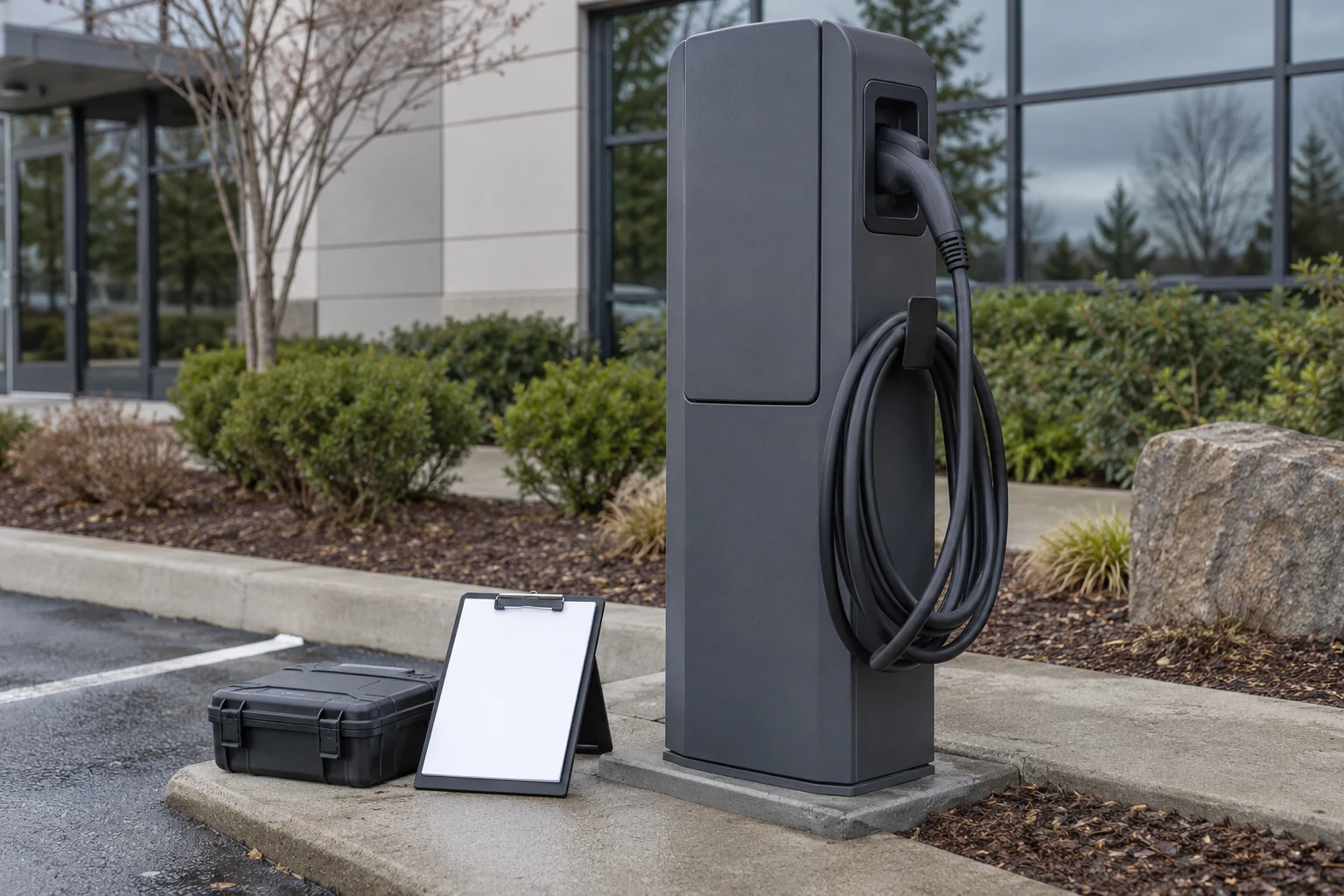
Assign responsibility for the equipment after installation. Users need to know whom to contact, and the organization needs to know who coordinates service, reviews faults and communicates when a port is unavailable. A clear support arrangement is part of the program.
Retain model information, warranties, service contacts and operating instructions. Confirm what remote support covers and what requires an onsite visit. Ask how replacement components and software changes are handled within the selected agreement.
Use reporting to answer practical questions
If the system provides usage data, identify the information the program owner actually needs. Port availability, session patterns and reported problems may help assess whether the installation serves its intended users. Confirm what reports are available before relying on them.
- Assign an internal program owner.
- Document the equipment support route.
- Follow manufacturer care and inspection instructions.
- Review recurring access or reliability issues.
Explain how users should report damaged equipment or a failed session. Electrical work and technical troubleshooting should remain with the appropriate qualified personnel. The AI maintenance image shows orderly equipment storage, not a service procedure.
Review performance after a representative period of use. A request for more ports should be evaluated alongside actual demand, unavailable equipment and policy effectiveness. Expansion is more useful when it addresses a defined problem.
Build a coordinated project brief
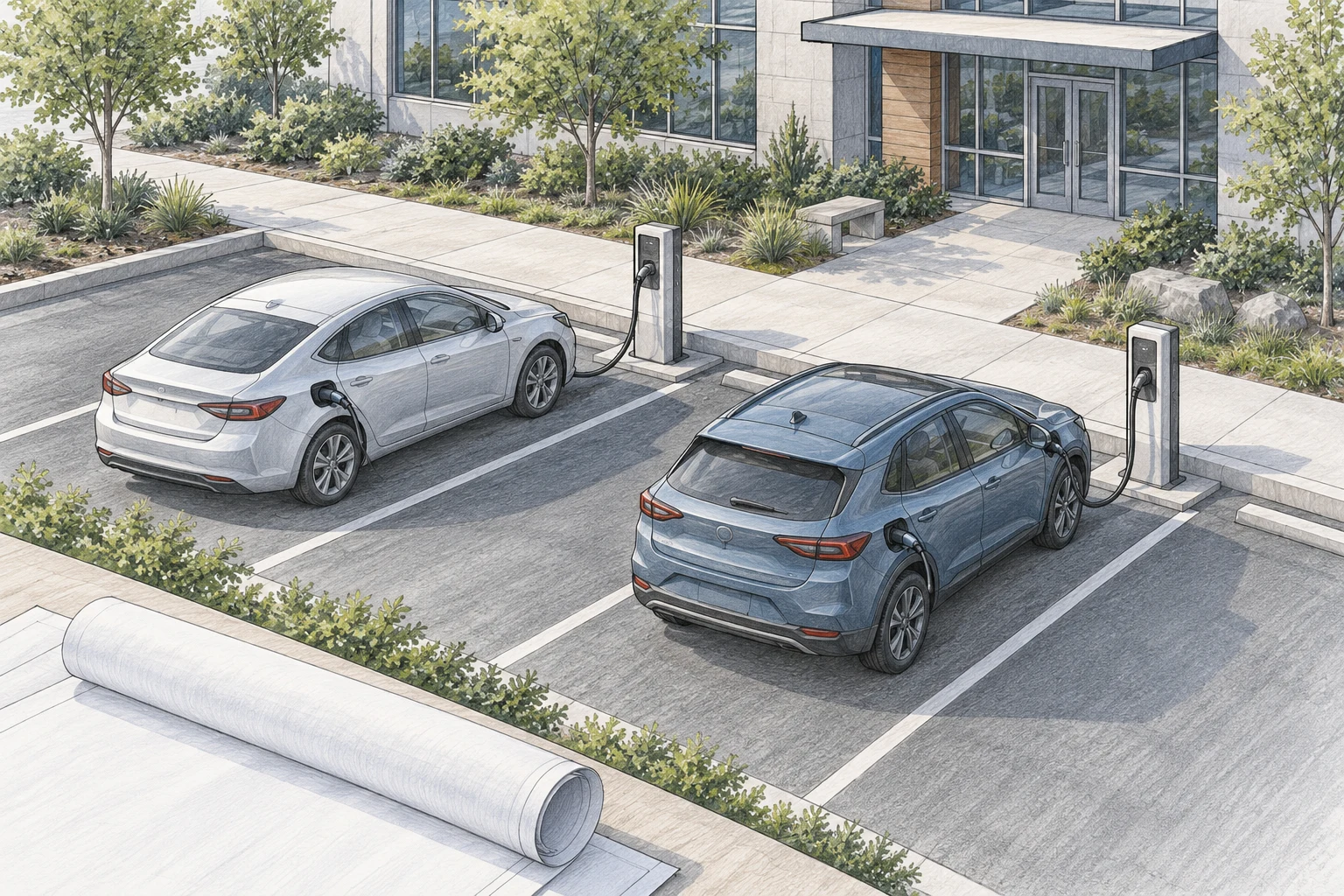
Bring the user requirements, site information and program choices into one brief. State the initial objective, intended users, expected parking times and proposed operating policy. Attach a layout and identify the people responsible for the remaining reviews.
Ask the project team to distinguish decisions already made from assumptions that still need confirmation. This prevents equipment selection from getting ahead of electrical, property or operational requirements.
- Confirm the intended service and user group.
- Review the site and equipment options.
- Define the installation and support scope.
- Agree on launch instructions and acceptance checks.
Consider future expansion without assuming it must be installed immediately. Ask what information should be retained and which planning decisions could affect a later stage. The appropriate provision depends on the site and project review.
Material Handling USA can help organize the equipment discussion and project requirements. Qualified design and installation professionals remain responsible for their respective work. A clearly scoped proposal gives your team a practical basis for deciding the next step.
Make the handover usable
Identify who will hold the administrative account and receive service notifications. Keep that responsibility with an appropriate organizational role so the program does not depend on one person’s availability. Confirm how another authorized administrator can take over when staffing changes.
At handover, review the user instructions and support process against the actual installation. Confirm the locations users should use, the policy they will see and the contact route for a problem. Record unresolved items and who will close them. A clear handover connects the equipment purchase to the daily experience employees will have when they try to charge.
Frequently asked questions
How many workplace charging ports do we need?
Start with current users, arrival times, parking duration and the intended service. Review overlapping demand and define a first-stage objective. Use actual experience after launch to assess expansion rather than relying only on general EV adoption forecasts.
Is Level 2 charging always the right choice?
No. It is common at workplaces, but equipment selection depends on vehicles, parking time, site conditions and the intended program. Compare options with the equipment provider and qualified electrical professionals.
Can charging be limited to employees?
It may be possible with the selected equipment and management package. Define the desired access policy first, then verify the required controls and administrative functions before purchasing.
Does an equipment quote include installation?
Do not assume so. Ask for an itemized scope covering equipment, electrical and site work, communications, commissioning and support. Identify exclusions and responsibilities clearly.
Can we promise employees free charging permanently?
That is a program decision for the organization. Review ongoing costs and administrative responsibilities before making a commitment, and communicate any pricing or policy terms clearly.
What information should we provide for a project discussion?
Provide the parking layout, intended users, expected parking times, ownership or lease details and program priorities. Identify facilities and electrical contacts and any known installation constraints.
Prepare a workplace charging project your team can assess
Share your parking layout, expected users and project priorities. We can help organize the equipment and scope questions for a coordinated review with your facilities and electrical professionals.