Get a Project Quote
Ready to start? Provide your project details, and our team will deliver a comprehensive quote.

Home | Warehouse Design | The Green Warehouse: Sustainable Design for Efficiency & Savings
Design an eco-efficient warehouse that reduces energy costs, minimizes environmental impact, and improves your brand image.
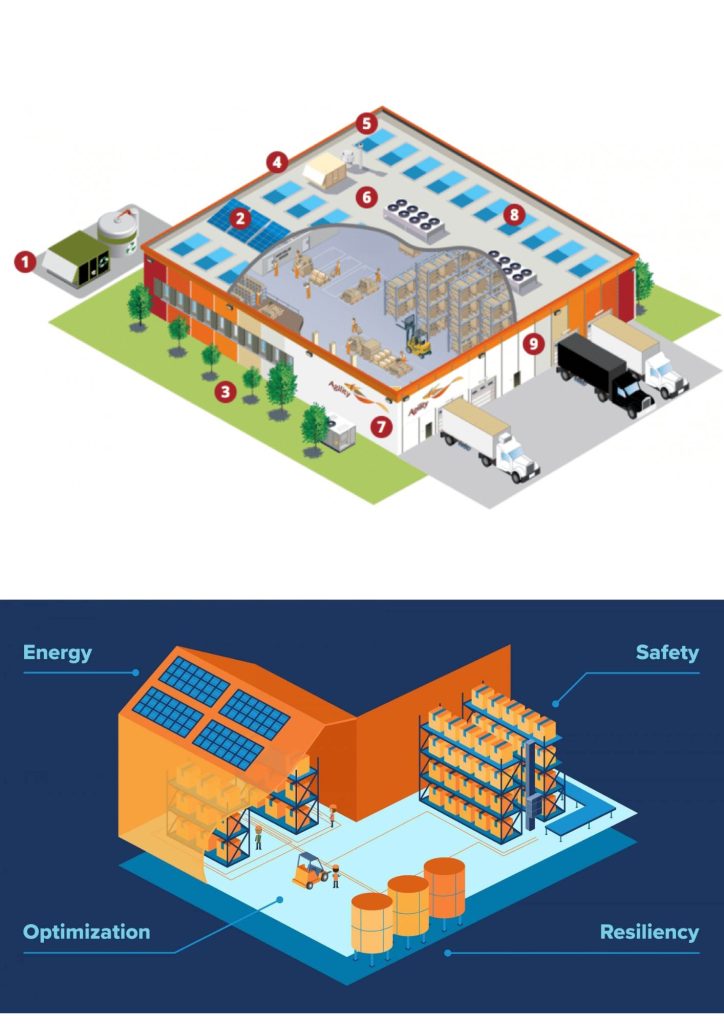
In today’s business landscape, sustainability is no longer a peripheral concern; it is a core component of a sound financial and brand strategy. For logistics and supply chain operations, the warehouse represents one of the largest opportunities to make a significant positive impact. A traditional warehouse is a massive consumer of energy and resources, contributing to high operational costs and a significant environmental footprint. This presents both a challenge and an opportunity. The decision to invest in sustainability is no longer a question of ethics versus profit.
A sustainable, or “green,” warehouse is an facility designed and operated to minimize its negative impact on the environment. This is achieved through a holistic approach that considers everything from energy consumption and water usage to the materials used in its construction and the waste it generates. More importantly, these principles of efficiency and conservation translate directly into lower operating costs. A green warehouse is, by its very nature, a more efficient and less expensive warehouse to run.
We specialize in designing sustainable warehouses that are as beneficial for your bottom line as they are for the planet. By integrating eco-friendly principles into a full warehouse design solution, we help you create a facility that reduces waste, cuts utility bills, and enhances your corporate social responsibility profile. This is about making a smart, forward-looking investment that is worthy for the long term.
Ready to start? Provide your project details, and our team will deliver a comprehensive quote.
The largest single operating expense in most warehouses, after labor, is energy. Lighting, heating, cooling, and material handling equipment consume a tremendous amount of power. A sustainable design attacks this head-on by creating a highly efficient building envelope and deploying energy-saving technologies, delivering immediate and ongoing cost reductions.
The process begins with the building itself. Utilizing high-R-value insulation, cool roof technology that reflects sunlight, and strategic window placement for natural light (daylighting) can dramatically reduce the load on your HVAC and lighting systems. This is a foundational part of an intelligent warehouse design. Inside, the impact of modern technology is even more significant. Upgrading to high-efficiency LED lighting with motion sensors can cut lighting-related energy costs by up to 80%. These systems ensure that you are only paying to illuminate occupied areas.
Furthermore, a sustainable approach includes evaluating your equipment. Modern, energy-efficient forklifts and conveyor systems consume less power and often have lower maintenance costs. For refrigerated or temperature-controlled facilities, investing in high-efficiency cooling systems and insulated doors is critical. This comprehensive approach to warehouse optimization ensures that every kilowatt is used effectively, turning your largest utility expense into your greatest opportunity for savings.

Have questions? Schedule a no-obligation consultation with a modular construction expert.
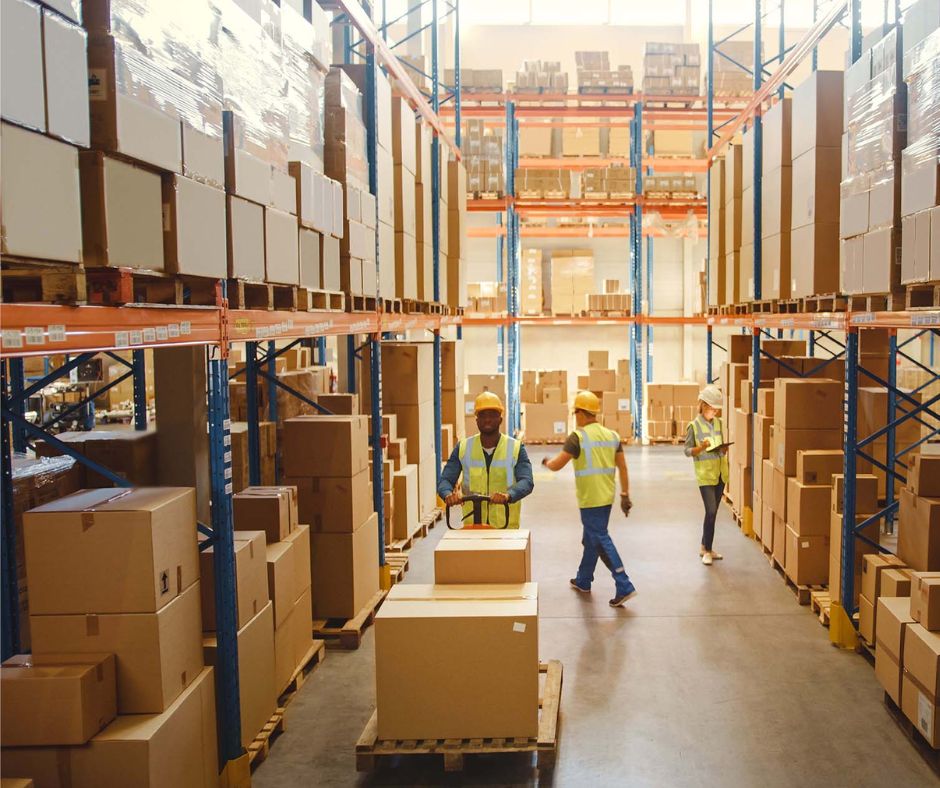
A warehouse’s environmental impact extends beyond its energy consumption. The materials used in its construction and operations, and the waste it generates, are significant factors. A sustainable design prioritizes the use of recycled and responsibly sourced materials and creates a layout that is engineered to minimize waste from day one.
During construction, this means specifying materials with high recycled content, such as steel for pallet racking and shelving, and using low-VOC (volatile organic compound) paints and finishes to improve indoor air quality. It also involves responsible construction waste management, diverting as much material as possible from landfills through recycling and reuse.
Operationally, the layout itself can be a powerful tool for waste reduction. A well-designed facility, guided by a step-by-step design guide, can streamline processes to reduce packaging waste. We design dedicated recycling and waste-sorting areas into the workflow, making it easy for your team to separate cardboard, plastic wrap, and other materials. An efficient layout also reduces errors, which in turn reduces the waste associated with damaged products and unnecessary shipments. This makes the layout a vital tool for warehouse organization and safety.
Whether you need to outfit a new facility or upgrade your existing storage, we can provide a competitive quote for high-quality racking and shelving solutions.
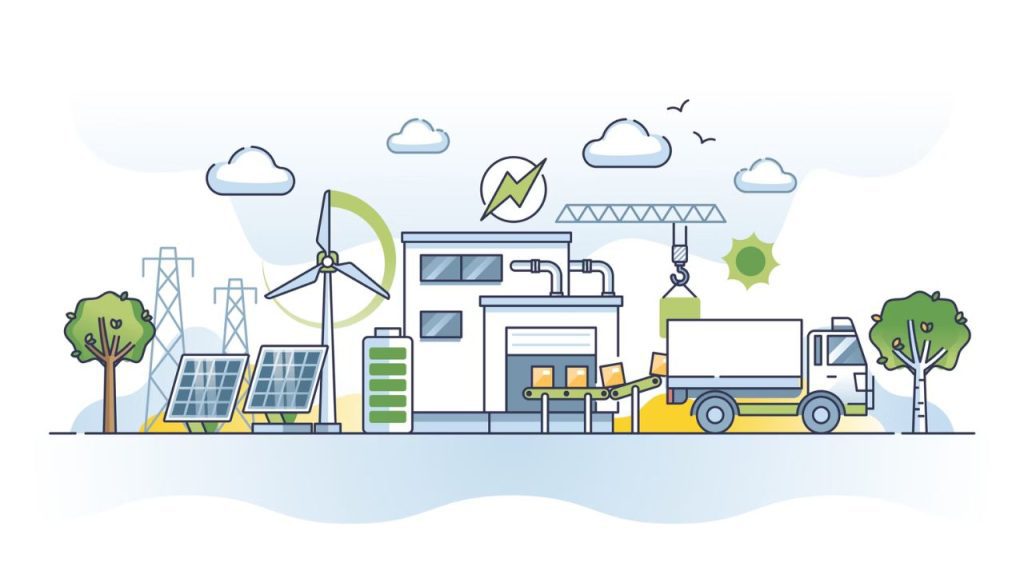
Water is a valuable resource, and its use and management on a warehouse site are important components of a comprehensive sustainability strategy. A green warehouse design looks beyond the four walls of the building to implement water-saving measures and manage the site in an environmentally responsible way.
Inside the facility, this includes installing low-flow fixtures in restrooms and break areas. For operations that require washing or cleaning, water reclamation and recycling systems can be implemented to significantly reduce consumption. Outside, the focus is on managing stormwater and reducing the need for irrigation. Using permeable pavers in parking lots and walkways allows rainwater to filter back into the ground naturally, reducing runoff and easing the burden on local storm-drain systems.
Furthermore, sustainable landscaping, or xeriscaping, uses native, drought-tolerant plants to create an attractive site that requires little to no irrigation. This not only conserves a massive amount of water but also reduces landscaping maintenance costs. These site-level considerations demonstrate a deep commitment to environmental stewardship that extends across your entire property.
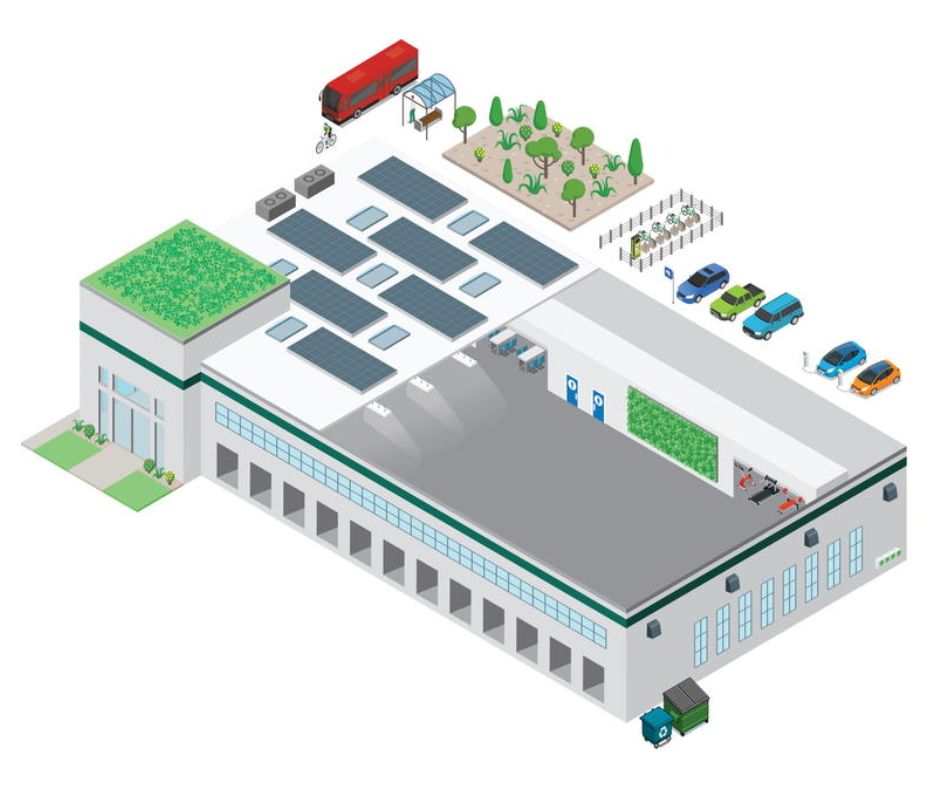
Receive a tailored proposal for a new or retrofitted facility that includes projected energy savings, potential ROI, and a conceptual eco-friendly layout.
Investing in a green warehouse design delivers a powerful trifecta of benefits: financial, reputational, and operational.
Reduced energy and water consumption translates directly into lower monthly utility bills, providing a clear and measurable return on investment.
A visible commitment to sustainability strengthens your brand reputation, attracting environmentally conscious customers, partners, and employees.
Better indoor air quality, natural light, and a safer, more organized environment lead to a healthier, more productive, and more engaged workforce. This helps to improve warehouse safety and productivity.
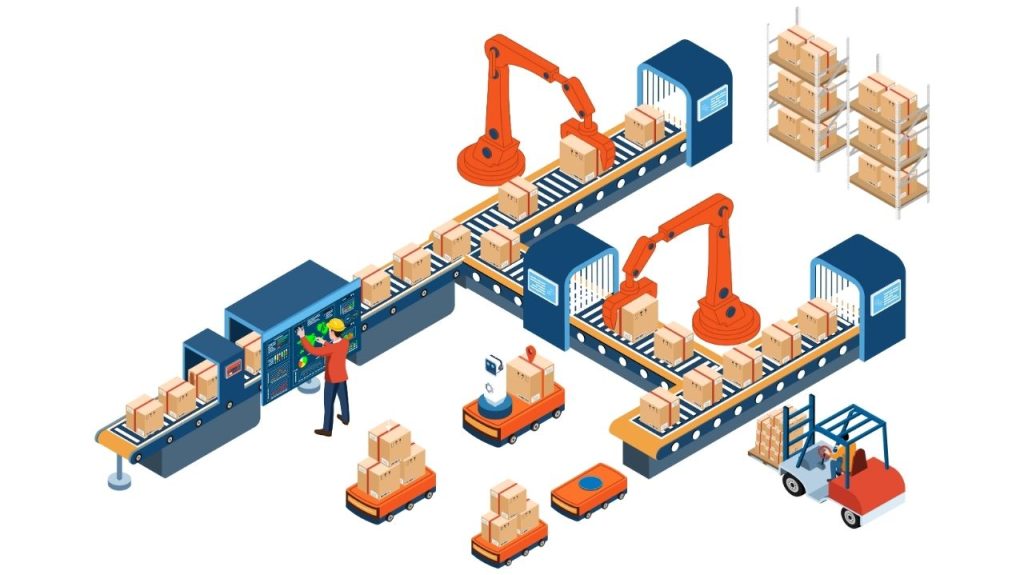
A system-ready design makes it faster and easier to deploy new technologies, from barcode scanners and voice systems to robotics and ASRS, reducing integration costs and timelines.
While some sustainable features may have a higher initial cost, they are often offset by lower long-term operating costs. Many features, like an efficient layout, add no cost at all. We focus on solutions with a clear ROI.
Absolutely. Many of the most impactful changes, such as upgrading to LED lighting, improving insulation, and optimizing workflows, can be implemented in an existing facility with great success.
LEED (Leadership in Energy and Environmental Design) is a globally recognized green building certification system. Pursuing certification can be a powerful public statement of your commitment to sustainability and can increase your property’s value. We can design a facility to meet any level of LEED certification.
Sustainable design principles like improved lighting, better air quality, and a more organized, clutter-free layout (a result of 5S and waste reduction efforts) create an inherently safer work environment. A safe facility is a key part of any sustainable operation, and we always follow all essential pallet rack safety guidelines.
The ROI is measured through direct cost savings on utility bills (electricity, water, gas), reduced waste disposal fees, and potential tax credits or incentives. We can help you build a detailed financial model to project these returns.