
Course Summary

MH USA’s Storage Planning course provides essential insights into designing effective storage solutions. Participants learn to assess client needs, select optimal systems, and plan cost-effective, functional storage tailored to diverse industries.

Learning Objectives

  • Foundational Concepts: Dive into the world of modern storage, from high-density systems to specialized solutions.
  • Client Needs Assessment: Discover how to pinpoint exact storage needs across various environments.
  • Smart System Selection: Learn to choose the perfect storage solution—balancing client needs, industry standards, and budget.
  • Cost Calculations Made Simple: Master the art of calculating cost per linear storage inch for efficient, budget-friendly planning.
  • Special Design Insights: Tackle key design factors like safety codes, federal guidelines, and adapting to digital-age demands.
Office Storage
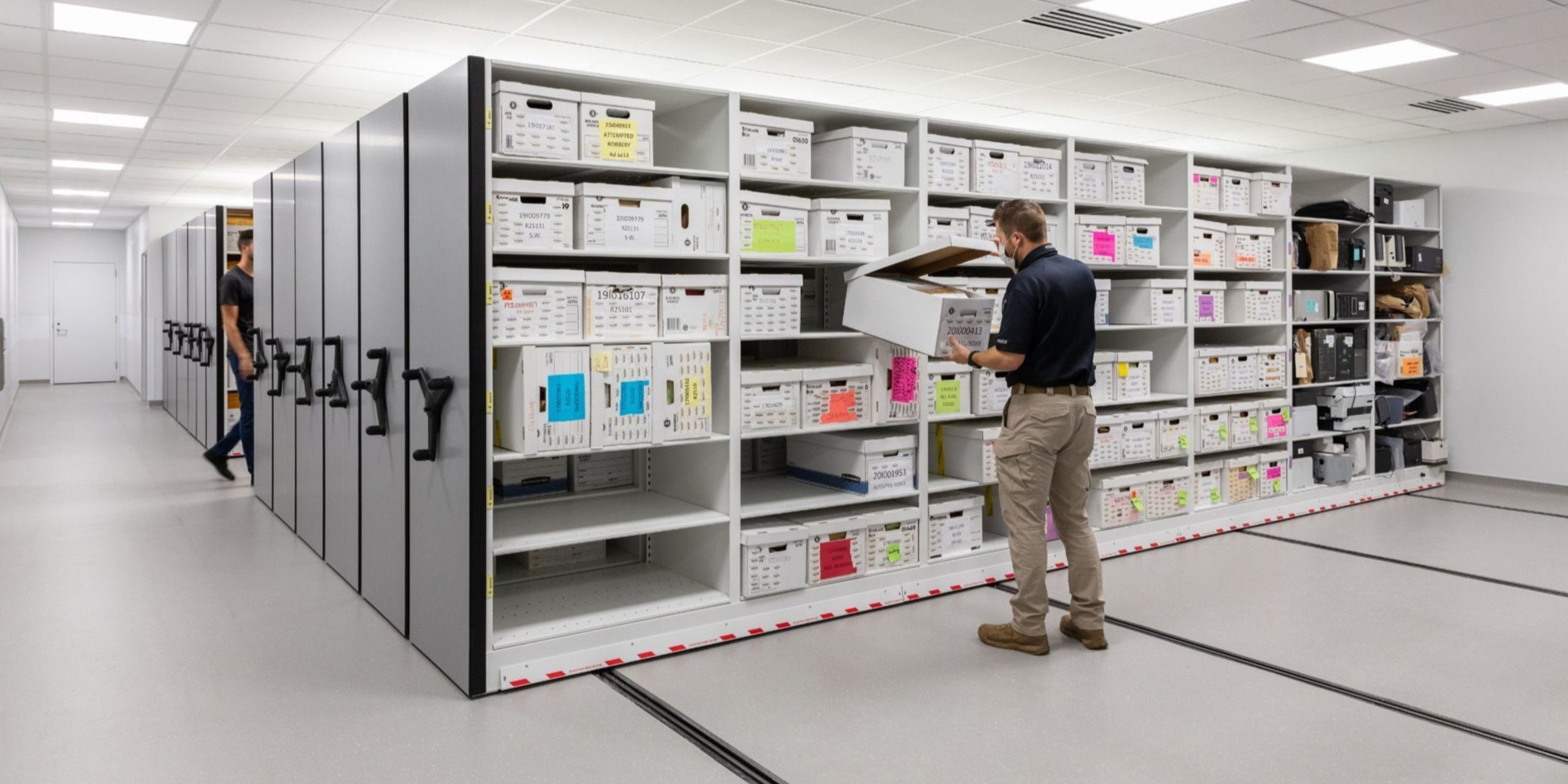
A spacious, secure storage facility with Mobile High-Density Storage solutions features neatly arranged shelves. These shelves hold bins and boxes in vibrant colors like red, yellow, blue, and cardboard brown. Overhead lights illuminate the organized interior to maximize space effectively.

Storage in the Digital Age

Even with digital storage, physical storage is still a must. For example,:

  • Clinic needs organized shelves for medical supplies, and a workshop needs secure places for tools.

  • Books and Personal Belongings still need safe, easy-to-access storage.

Types of Filing Environments

Understanding various file storage environments can assist in selecting the most suitable storage solutions.

The library shelves, a testament to material handling efficiency, are filled with DVDs in white holders, neatly organized. The shelving unit is white, contrasting elegantly with the dark carpet floor adorned with an orange circular pattern. This corner feels like a literature gallery in its own right.

Active

Files that are regularly accessed by several users.

The evidence storage room design features shelves lined with brown paper bags, each sealed with red tape. A narrow walkway runs between the shelves, while natural light filters through a window in the background, highlighting the meticulously organized rows.

Archival

Files that are seldom accessed and generally stored in a central location.

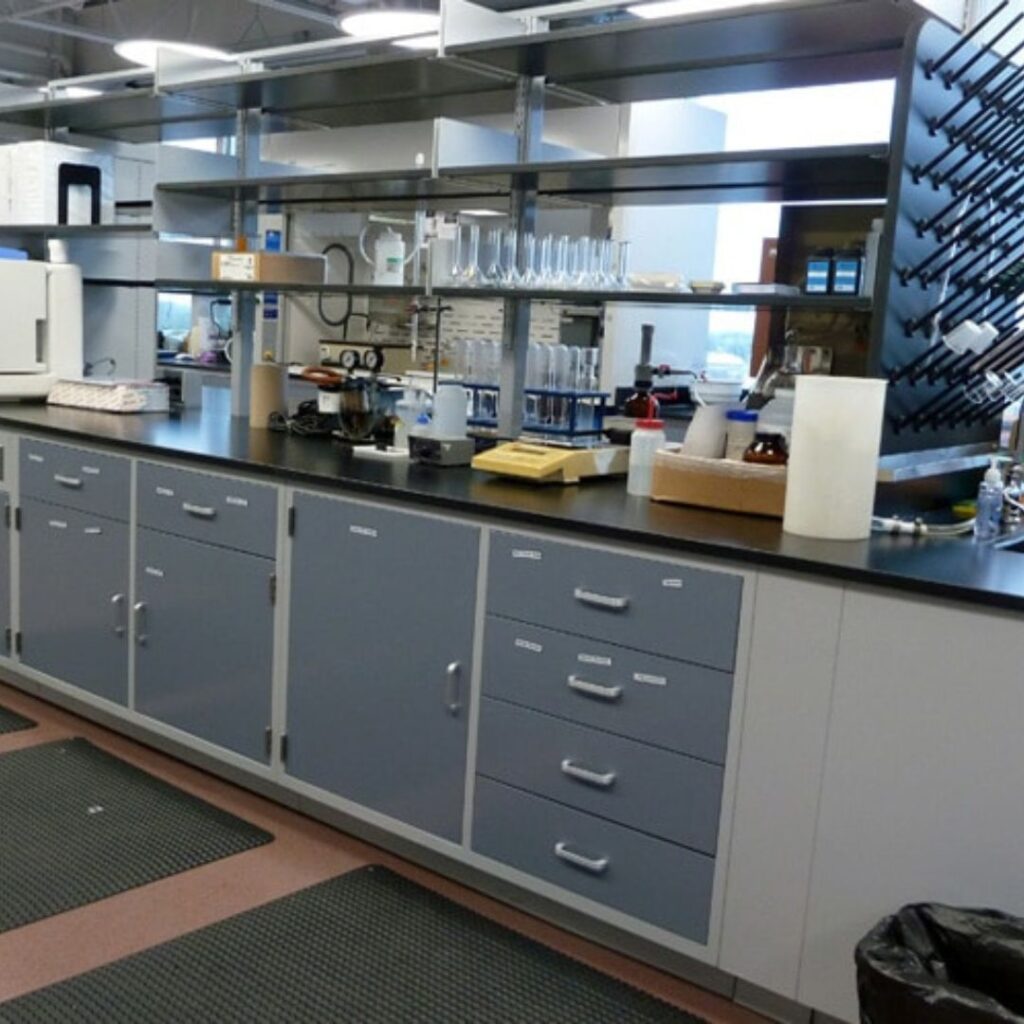
A process research lab featuring a countertop with test tubes, bottles, and equipment. Cabinets and drawers are below, with shelves for additional gear above. Pegboards for drying glassware adorn the wall, showcasing smart distillery laboratory design elements.

Workstation

Documents actively used at individual workstations.

Storage Needs Across Sectors

Different places need different storage solutions. Hospitals need secure shelves for medication, police departments need evidence lockers, schools need gym equipment racks, and offices need cabinets for files. Each environment has unique needs that require specific solutions.

  • Medical: Shelving for medication, instruments, and supplies to ensure organized, sterile, and accessible storage.

  • Government: Storage for weapons, evidence, and records for secure and organized management of sensitive materials.

  • Education: Gym equipment, classroom materials, and library items organized for easy access and use.

Form Follows Function

The principle of “form follows function” is relevant to storage just as it is to furniture or architectural design. Storage systems should be designed with a specific purpose in mind, serving more than just as simple containers. They must be customized for their intended use, whether that involves secure archiving, optimizing accessibility, or providing durability for frequently used items.

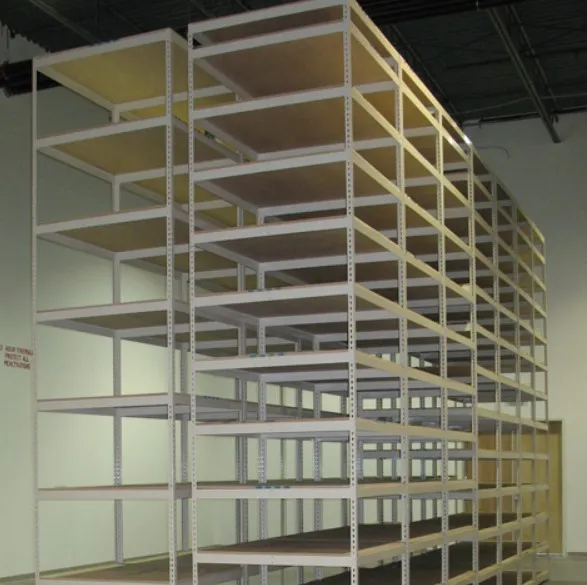
A large, empty industrial metal shelving unit stands with multiple levels in a spacious warehouse. The scene, bathed in light, highlights the blend of metal and wood on the shelves against high ceilings and pristine white walls.
A room with mobile shelving for pharmaceutical supplies and gray lockers. The shelves stand empty, while the lockers are arranged in two columns with ventilation slots. The floor is tiled, and the walls are painted beige.

A Brief History of Storage Systems

Historically, storage solutions began with the filing cabinet in 1898, driven by the rise of the typewriter in the late 19th century. Initially simple containers, filing cabinets evolved into high-density systems designed for efficiency, maximizing vertical space and accessibility.

High-Density Storage Solutions

As office space costs have risen, storage design has shifted to high-density solutions that leverage vertical space to save floor area. This approach maximizes cubic space—especially above eye level—providing effective optimization without increasing rent.

Medical and Business Storage

Medical facilities depend on well-organized storage systems to keep medications and supplies easily accessible and safe. Businesses, on the other hand, need secure storage solutions for employee records and files to maintain compliance and ensure smooth operations.

Effective storage solutions—from executive suites to supply rooms—enhance productivity and support seamless workflows across all departments, including order fulfillment, human resources, and industry-specific needs.

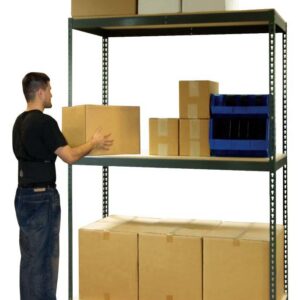
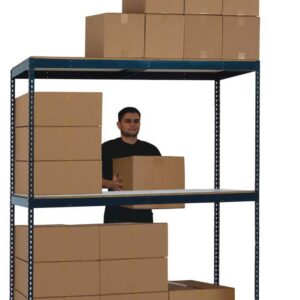
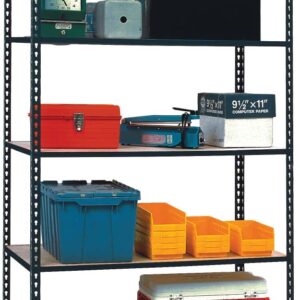
Metal Shelving Four Post
The image shows a bright, spacious room with rows of metal shelves designed for cultivation storage, holding trays of mushrooms or similar fungi. The neatly organized shelves highlight efficient use of space common in cannabis vertical growing systems. A green plant in the back corner adds a touch of color.

Safety and Stability

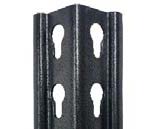
Safety and stability are critical in storage planning. Mobile systems often include sensors to enhance security, while earthquake-prone areas require secure anchoring to ensure long-term stability and protection.Participants will explore a variety of shelving options—from traditional four-post and industrial shelving to rotary cabinets and mobile storage systems. Each option is designed to meet specific needs, providing solutions that balance safety, accessibility, and aesthetics for a wide range of environments.

A spacious warehouse interior featuring organized shelving units filled with various boxes and materials. In the foreground, a worker wearing safety gear operates a forklift, carefully placing a pallet onto a high shelf. Bright overhead lighting illuminates the clean and orderly environment, highlighting clear pathways and well-labeled sections. Safety signage is visible on the walls, emphasizing the warehouse's commitment to safety and productivity.

Cost Per Linear Inch

To support budget-conscious decisions, here’s a breakdown of storage costs per linear inch:

4-Drawer Lateral File Cabinets (42”): $8.60

Stationary Shelves: $1.50

Mechanical Assist Mobile Carriages: $3.65

Electrical Mobile Carriages: $4.30

Rotary Cabinets: $7.65

City skyline with tall buildings set against snow-capped mountains under a partly cloudy sky. The logo Material Handling USA appears in the upper left corner, highlighting our case studies and innovations in urban landscapes.

We Are MH USA

At MH USA, we specialize in providing innovative storage solutions that are tailored to your specific needs. As a trusted name in the material handling industry, we understand the importance of efficient storage planning and the role it plays in optimizing space and productivity. Our team is dedicated to helping architects, designers, and businesses create storage systems that are not only functional but also compliant with all federal regulations.

With years of experience in delivering high-quality storage products and services, we bring expertise and reliability to every project. Whether you’re taking the AIA Storage Planning Course or looking for customized storage solutions, MH USA is here to support you every step of the way.

Contact MH USA today for personalized assistance and discover how our tailored storage solutions can improve your business operations. Let us help you maximize efficiency and cost-effectiveness with a solution designed specifically for you.

Medical and Business Storage