

Chapter 1 : Introduction

Welcome to the first chapter of our comprehensive guide on museum storage solutions, presented by MH USA. This guide aims to provide you with essential insights and best practices for creating a storage environment that not only preserves but also optimizes access to valuable collections.

Learning Objectives

In this chapter, you will learn:

  • How to identify and select the appropriate storage products for a diverse collection
  • Techniques to maximize storage space effectively
  • Strategies for managing obstacles, such as water pipes, outer walls, and security challenges posed by public access
musuem design
A promotional graphic for the "AIA Museum Storage Course" by Material Handling USA. The image features a sleek, modern storage system with high-density mobile shelving units, designed specifically for museum collections. The shelving is filled with various artifacts and artworks, showcasing efficient and organized storage solutions. The background includes the Material Handling USA logo and branding elements, emphasizing the company's expertise in museum storage solutions.

Topics for Discussion

Throughout this course, we will cover:

  • Existing Capacity: Understanding the current volume of collections and how to accommodate them effectively
  • Future Growth: Planning storage to support collection expansion
  • Throughput and Accessibility: Enhancing ease of access and operational flow within storage spaces
  • Safety Standards: Addressing fire prevention, climate control, and secure storage practices
  • ADA Compliance: Ensuring the storage area is accessible to all individuals, in accordance with ADA guidelines
  • Ergonomics and Aesthetics: Balancing functionality with visual appeal for a safe, visitor-friendly environment

Determining Proper Storage Products

The key to an effective museum storage strategy lies in choosing the right storage solutions. This chapter provides guidance on various storage types and their unique benefits:

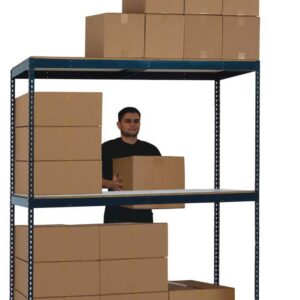
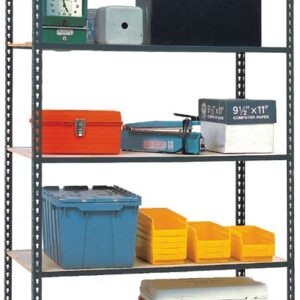
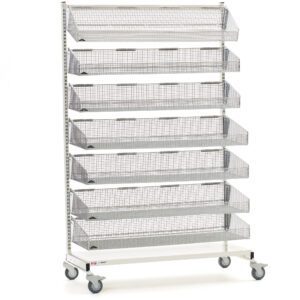
  • Shelving: Static and adjustable shelving options tailored for different artifacts.
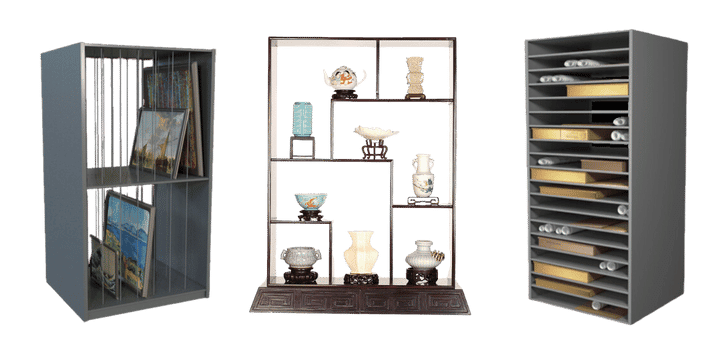
  • Cabinets: Secure, enclosed storage for delicate or high-value items.
  • Art Racks: Ideal for flat art, allowing for accessible yet secure display and storage.
  • Mobile Storage vs. Static Shelving: When to opt for mobile storage units that maximize space and accessibility versus static shelving that offers stable, permanent fixtures.
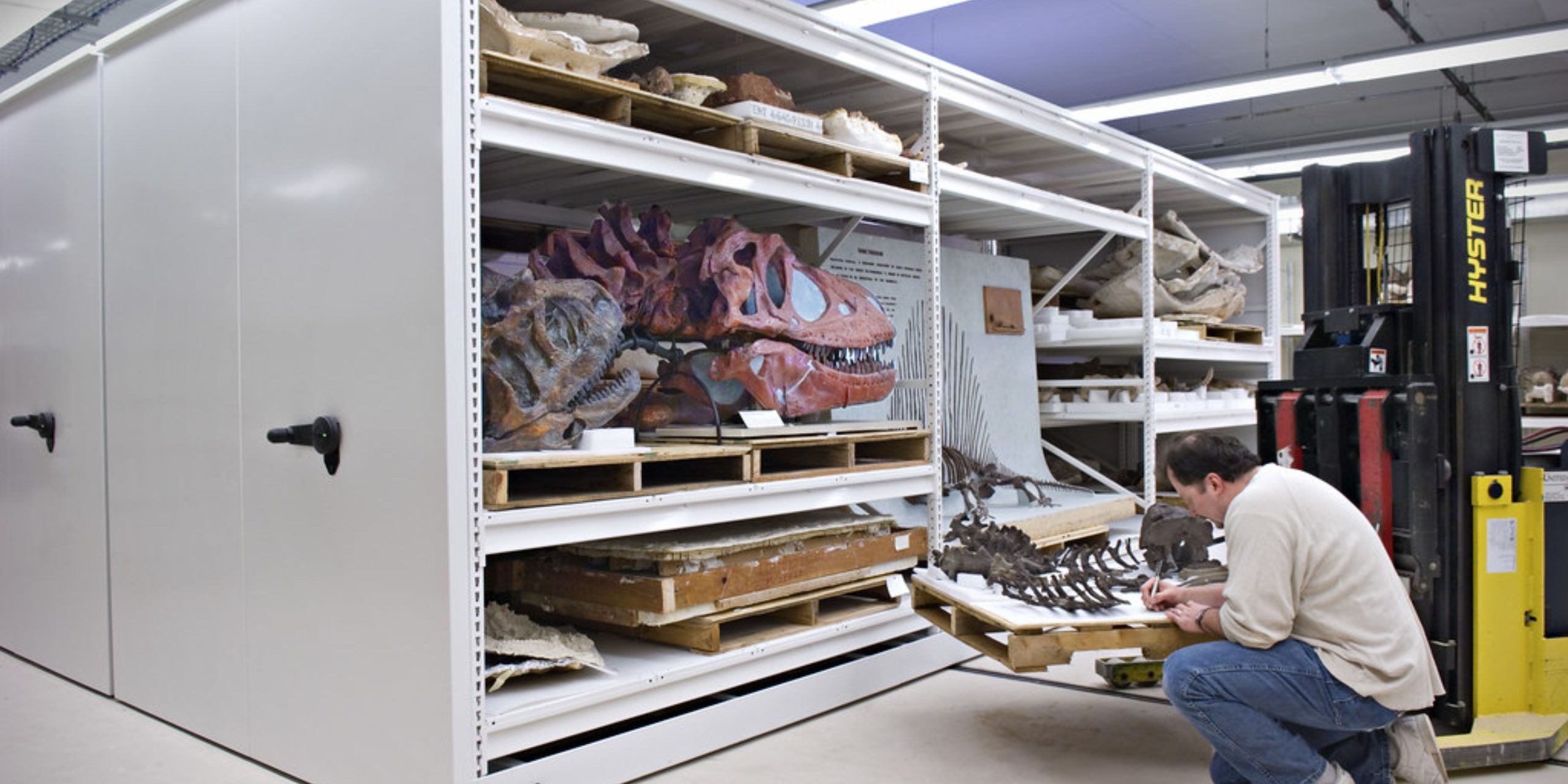
In a bright, organized museum storage area, a person examines dinosaur fossils on white shelves filled with various fossilized bones and skulls. Nearby, a forklift stands ready to assist in the careful handling of these ancient treasures.

This chapter sets the foundation for understanding museum storage essentials, guiding you toward creating spaces that meet both present and future needs.

City skyline with tall buildings set against snow-capped mountains under a partly cloudy sky. The logo Material Handling USA appears in the upper left corner, highlighting our case studies and innovations in urban landscapes.

We Are MH USA

At MH USA, we specialize in providing innovative storage solutions that are tailored to your specific needs. As a trusted name in the material handling industry, we understand the importance of efficient storage planning and the role it plays in optimizing space and productivity. Our team is dedicated to helping architects, designers, and businesses create storage systems that are not only functional but also compliant with all federal regulations.

With years of experience in delivering high-quality storage products and services, we bring expertise and reliability to every project. Whether you’re taking the AIA Storage Planning Course or looking for customized storage solutions, MH USA is here to support you every step of the way.

Contact MH USA today for personalized assistance and discover how our tailored museum storage solutions can improve your business operations. Let us help you maximize efficiency and cost-effectiveness with a solution designed specifically for you.